Janusz Korczak: A legacy in Children’s Rights
At Childrightsfocus.com, we look at child welfare in a unique way. Our ideas draw inspiration from pioneers such as dr Janusz Korczak.
Philip Veerman, a health-psychologist and children’s rights expert, has also shaped them. He has worked in child protection for over 50 years, both nationally and internationally.
The Life of Janusz Korczak
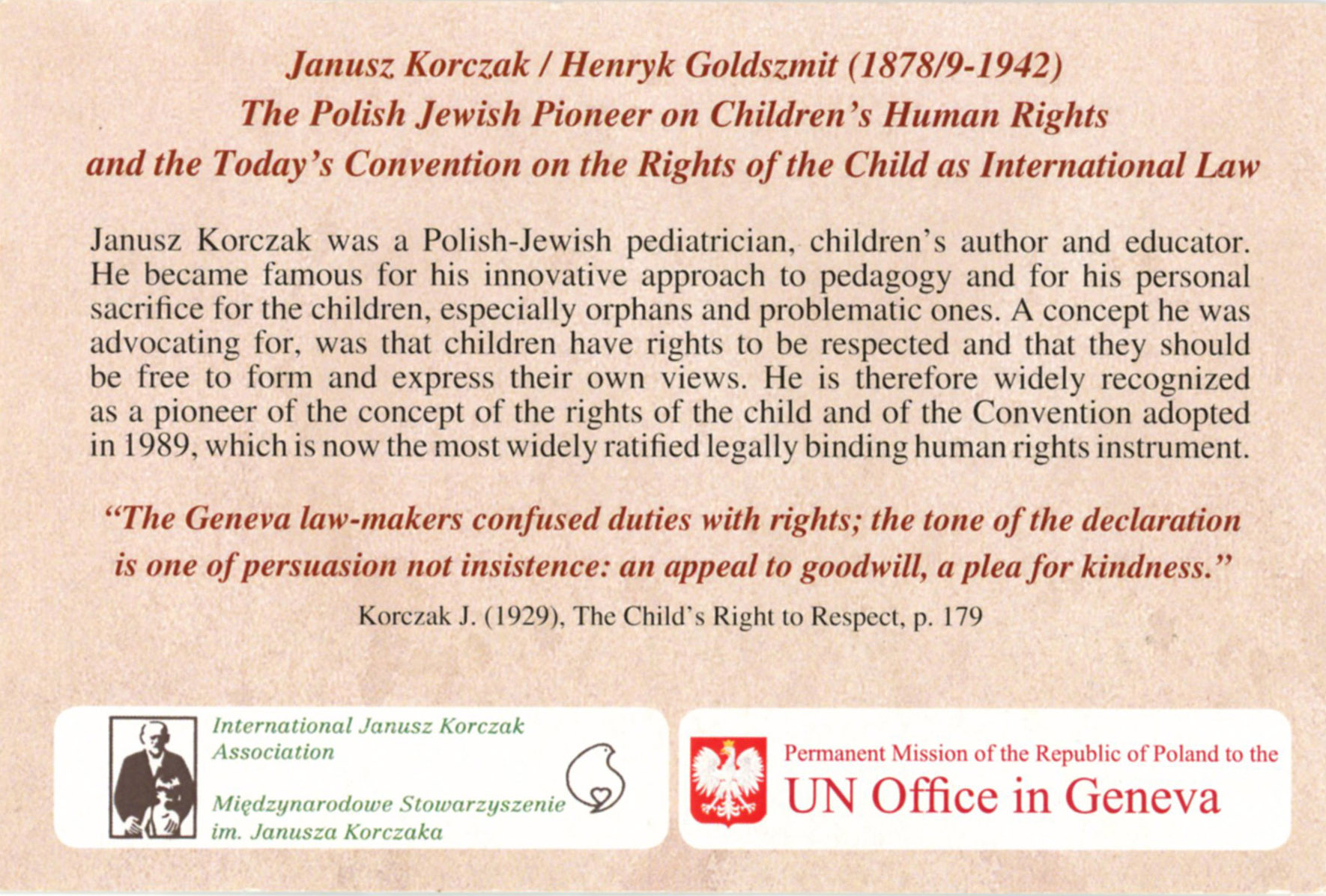
Korczak Janusz, born Henryk Goldszmit (1978-1942) was a Polish Jewish pediatrician, educator, and writer. He changed how we look at childhood.
Korczak was drafted into the Russian army as a military doctor in the Russian Japanese War (1905-1906) and World War I, he saw how war harmed children.
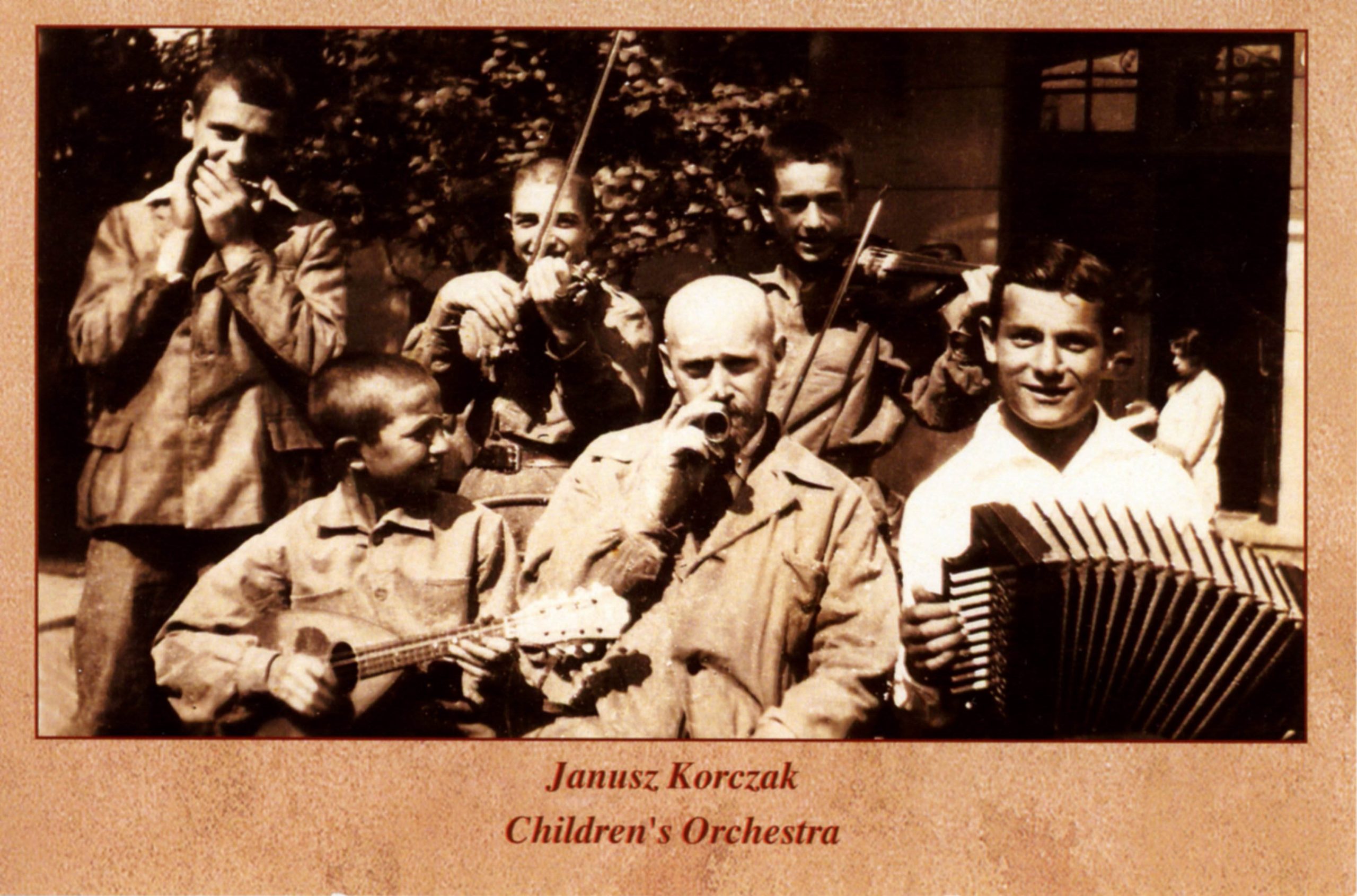
In 1912 Korczak became director of a new orphanage in Warsaw for Jewish children (Dom Sierot, the House of Orphans). There, he implemented innovative methods that gave children a voice.
Within the Jewish orphanage, children participated in self-governance. They even operated their own court system. Children and adults who violated the rules of the orphanage (Codex) had to appear before the court as well.
Korczak believed that children deserved to be treated with respect. He trusted them to take responsibility.
This was revolutionary for its time. He thought a lot about how to make the gap smaller between adults who had all the power and children.
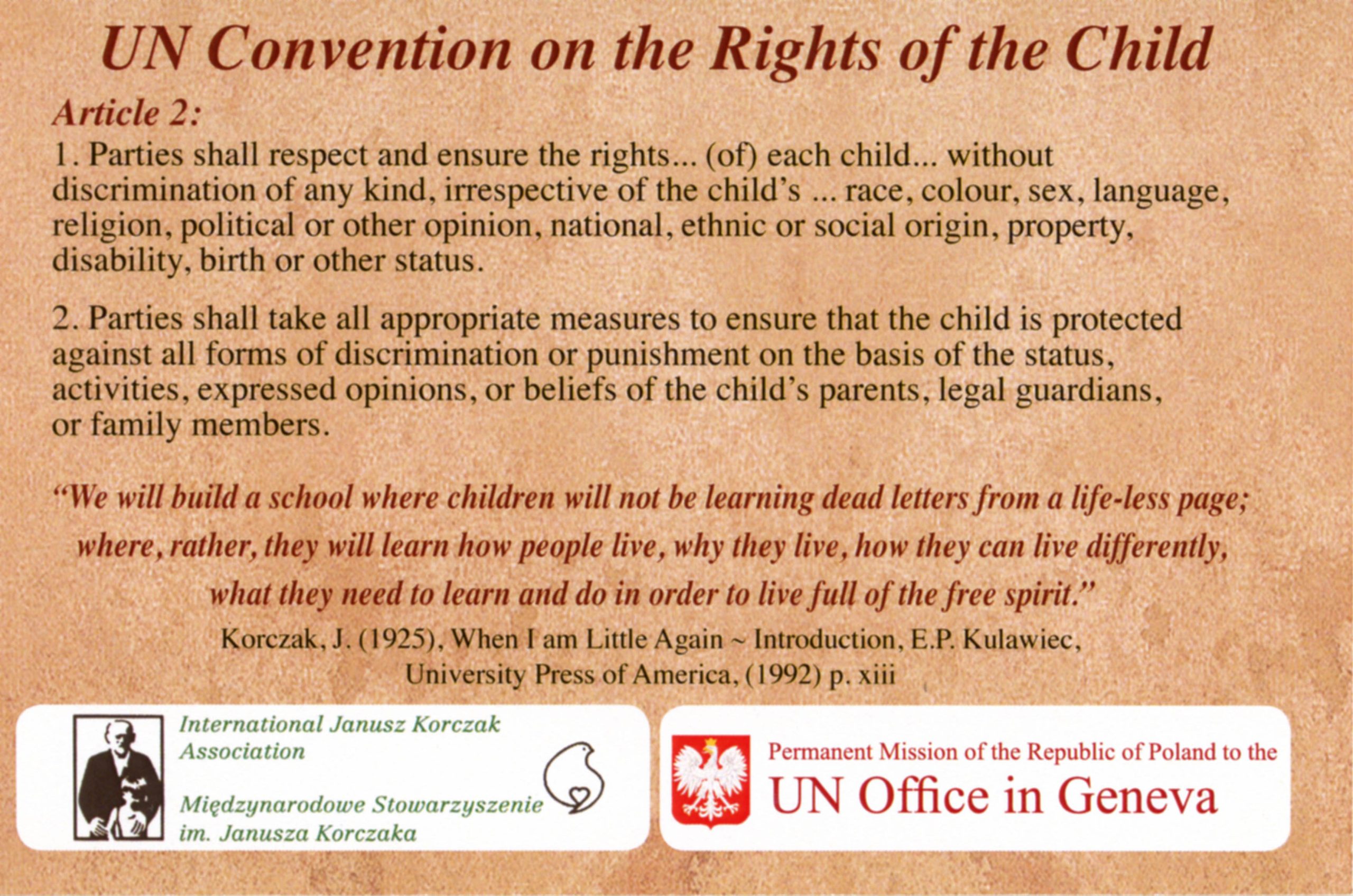
Korczak’s belief in respect for every child is at the heart of modern children’s rights advocacy. His ideas continue to influence educators, psychologists, and child welfare workers around the world.
Korczak as an Author and Advocate
Korczak wrote several influential books.
Among the most well-known Janusz Korczak books are How to Love a Child and The Child’s Right to Respect. These works still guide professionals who work with children.
Readers around the world still read his children’s novel King Matt. The story of a boy-king trying to rule justly continues to resonate with young readers.
Between 1934 and 1936, Korczak also edited Mały Przegląd, a weekly-supplement tor children to a Polish newspaper. Children were the editors of this paper together with Korczak.
The paper gave young people in Warsaw a platform to share their opinions. Korczak boldly showed that children deserve to be heard.
The Ghetto Diary and the Holocaust
When in World War II the Germans came with anti-Jewish measures, Korczak and the children of his Jewish orphanage were forced to relocate to the Warsaw Ghetto.
Korczak continued his work. He tried to create a sense of safety and dignity inside the ghetto walls, where the conditions were terrible (many people died of hunger).
Korczak documented what he saw in his Ghetto Diary between 1941 and 1942. The diary remains one of the most moving accounts of life inside the ghetto. It documents both suffering and courage.
On August 6, 1942, the Nazis deported Korczak’s orphanage, Dom Sierot, to the Treblinka extermination camp.
Korczak received, as many tell, an offer to escape but declined. He deliberately chose to remain with the children.
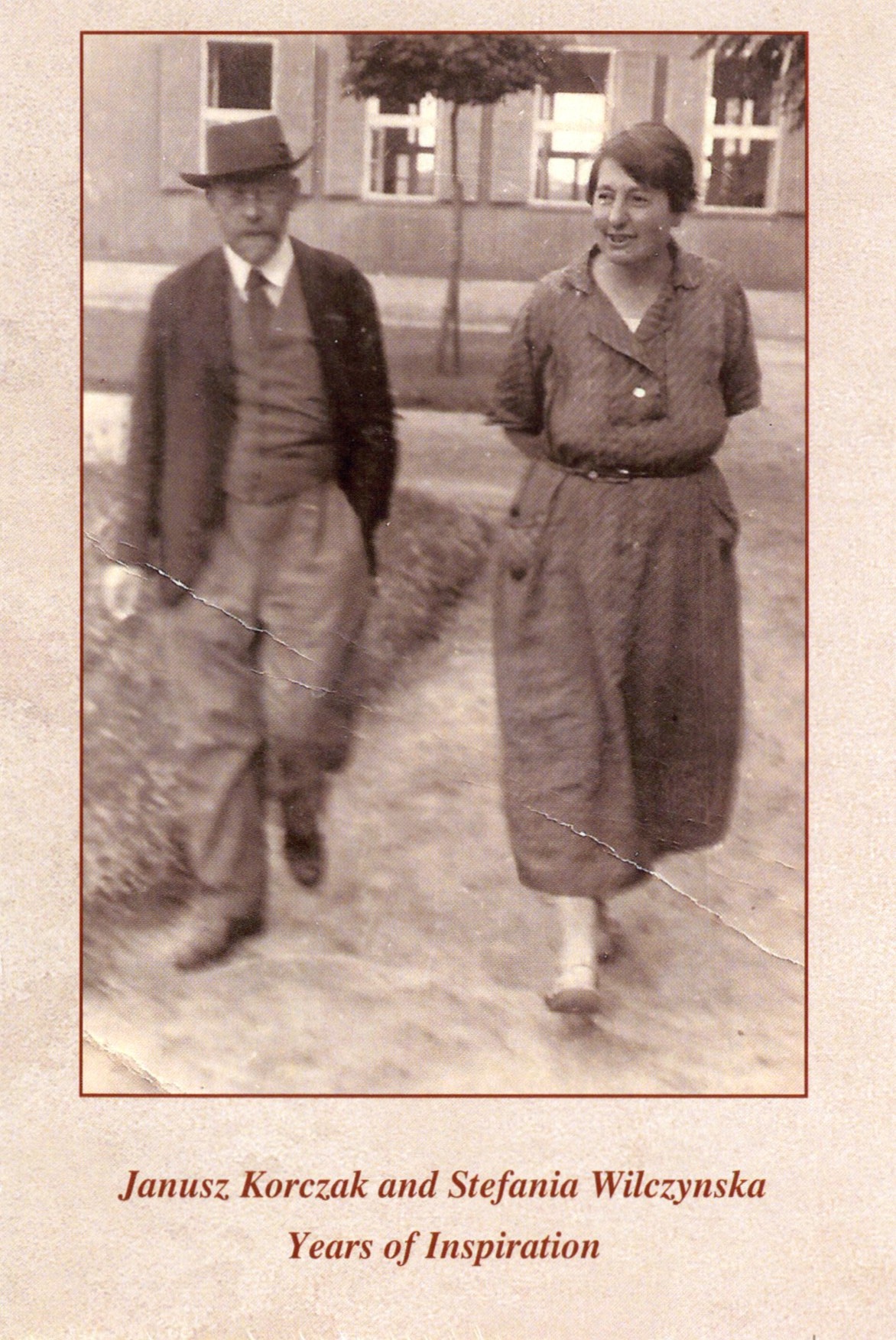
Korczak walked in front of the group of children, holding a small child. He was followed by Stefania Wilczynska (called Stefa of Mrs Stefa) who headed the household of Dom Sierot from 1912 on. A witnesses saw Korczak, Stefa and the children holding hands.
His choice to remain with the children is seen as an act of extraordinary moral courage.
Korczak’s Global Legacy
Korczak Janusz is now recognized worldwide as a symbol of dignity and compassion and pioneer of children’s rights.
Statues in Warsaw, Jerusalem, and other cities honour his memory. Schools and organizations bear his name. In many countries there are Janusz Korczak Associations and there is an International Janusz Korczak Association.
His Ghetto Diary and other works are key texts in the study of children’s rights.
His influence goes beyond education and social work. Around the world, conferences and research papers mention Korczak Janusz as a key figure in children’s rights history. Advocacy campaigns also highlight his legacy. His values still inspire debates on how societies treat and protect vulnerable children.
Philip Veerman and Korczak’s Influence
The work of Janusz Korczak formed an important foundation for Philip Veerman’s lifelong commitment to children’s rights.
Inspired by Korczak’s values and example, Veerman built on these principles in his own work, both in the Netherlands and abroad.
In 1982 Philip Veerman took the initiative to start in the Netherlands a Janusz Korczak Sichting (Foundation) promoting the ideas of Korczak. In Israel he founded the Israeli section of Defence for Children International (DCI) and remained in Israel for 17 years. He introduced legal representation for minors in juvenile courts, a practice that was until then unprecedented in the region.
Veerman also initiated monitoring detention centres for young people, police stations, and military facilities holding Palestinian minors. His reports attracted public attention, and the Israeli press often quoted them and DCI Israel.
Together with Palestinian organisations, he launched joint projects to promote children’s rights. These initiatives took place during a period of hope for cooperation, following the Oslo Accords. In 2006 DCI Israel stopped working.
Veerman’s advocacy extended further. As President of the International Executive Council of DCI from 1997 to 2002, he was involved in international efforts to end the use of child soldiers. He worked to establish a DCI section in Sierra Leone during the civil war and supported the development of an Optional Protocol to the UN Convention on the Rights of the Child on this issue. During the civil was in Sierra Leone he visited that country and spoke with many child soldiers.
Back in the Netherlands, Veerman continued his commitment to child welfare. He worked for 10 years as a forensic psychologist doing diagnostic work with young people in (juvenile) detention and doing diagnostic evaluations. He also worked with young people addicted to alcohol and drugs. And he coordinated national Dutch efforts against child trafficking and contributed to academic research on children’s rights.
His work reflects the same commitment to justice and child welfare that Korczak embodied.
Why Childrightsfocus.com?
Many organizations promote children’s rights. What makes Childrightsfocus.com unique is its combination of history and modern-day advocacy, theory and practice.
On this site, you will find Veerman’s publications and work experience. They cover a range of topics, from juvenile justice to innovation of foster care. Veerman currently works for the Youth Intervention Team in The Hague, supporting formerly homeless young people. He also advises a secure and assisted living project (JIT Wonen).
Veerman’s efforts also include making sure that children’s rights are part of academic programs at Dutch universities. In addition he still works 2 days a week for a mental health outpatient clinic (NUGGZ).
He has been a board member of the Centre for Children’s Rights Amsterdam (CCRA). And is now a member of the Advisory Committee of Maastricht University’s Children’s Rights Fund.
A Message That Still Matters
Even today, millions of children face violence, neglect, and discrimination.
Whether in war zones, refugee camps, or underfunded care systems, Korczak’s message of respect of children and their rights is still vital.
His belief in the dignity of every child is central to this website. Whether through the lens of Janusz Korczak books, the Ghetto Diary, or Veerman’s modern projects, one message remains clear:
Children deserve respect, protection, and a voice.
By reflecting on Korczak’s story and Veerman’s work, Childrightsfocus.com invites you to think deeply about how we, as a global community, care for our most vulnerable.
Work of Philip Veerman about Janusz Korczak
1992 – Philip E. Veerman, Janusz Korczak and the Right of the Child to Respect – The Rights of the Child and the Changing Image of Childhood
1987 – Philip E. Veerman, Janusz Korczak and the rights of the child – Children’s rights

Questions or Interested in Philip Veerman’s Work? Get in Touch!